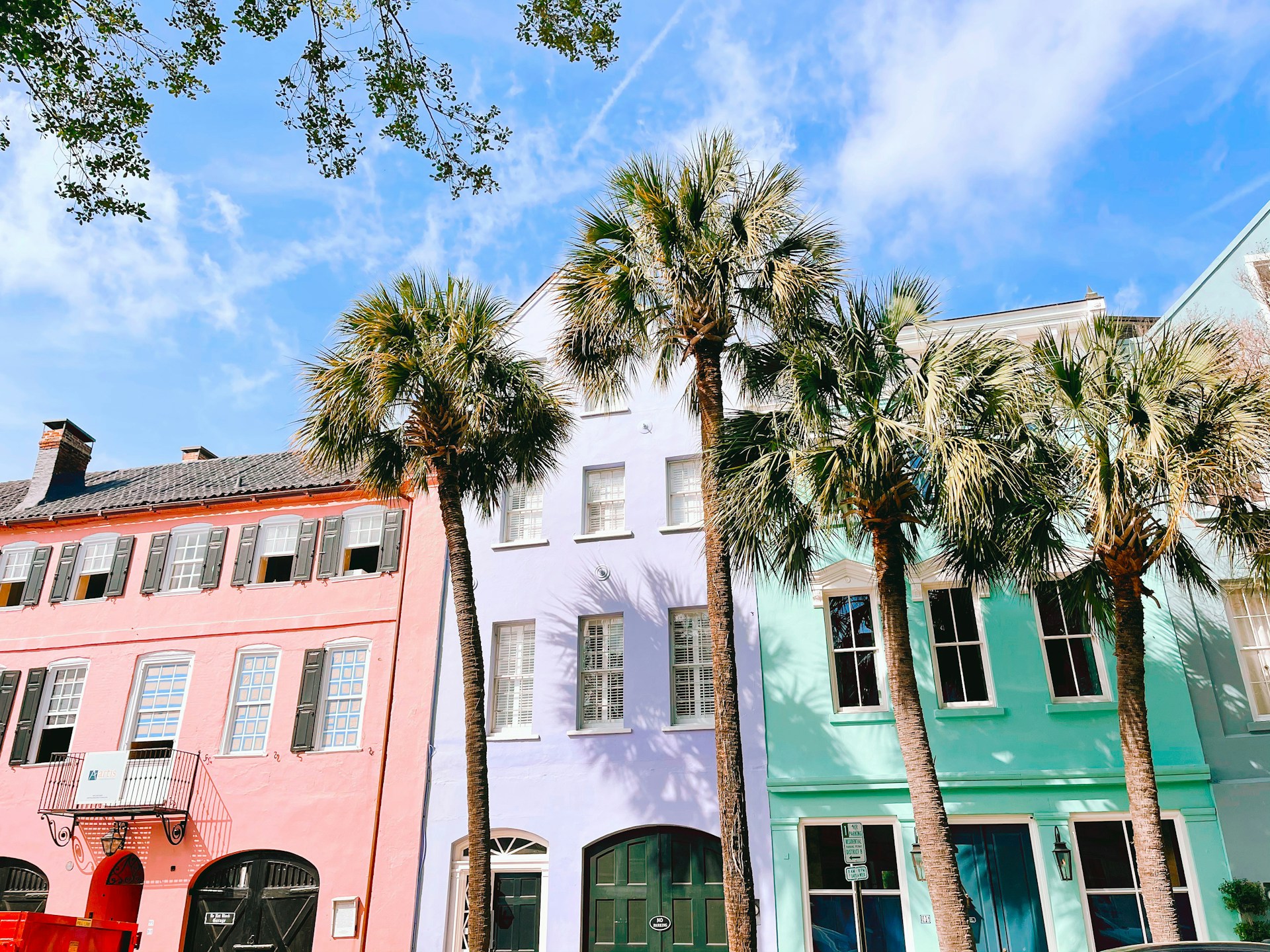
Charleston rewards travelers who slow down. The historic district is small enough to walk, but dense enough that you'll keep discovering new corners every time you turn down a side street. Three days is the right minimum for a first visit. Five days lets you do it justice.
When to come. April through early May is peak Charleston: azaleas and dogwoods at the plantations, mild weather, and the city looking its best. September through November is the other sweet spot: cooler temperatures, smaller crowds, fall color. Avoid mid-June through August — the humidity is intense and many days hit the mid-90s. February is the quietest month and also genuinely pleasant.
Where to stay. Stay in the historic district if you can. Belmond Charleston Place and Planters Inn are at the absolute center; Hotel Emeline and The Restoration are slightly north on King Street but still walkable. The Wentworth Mansion is a few blocks west in Harleston Village — quieter, more residential. Avoid hotels in West Ashley or North Charleston unless you have a specific reason; you'll lose hours commuting.
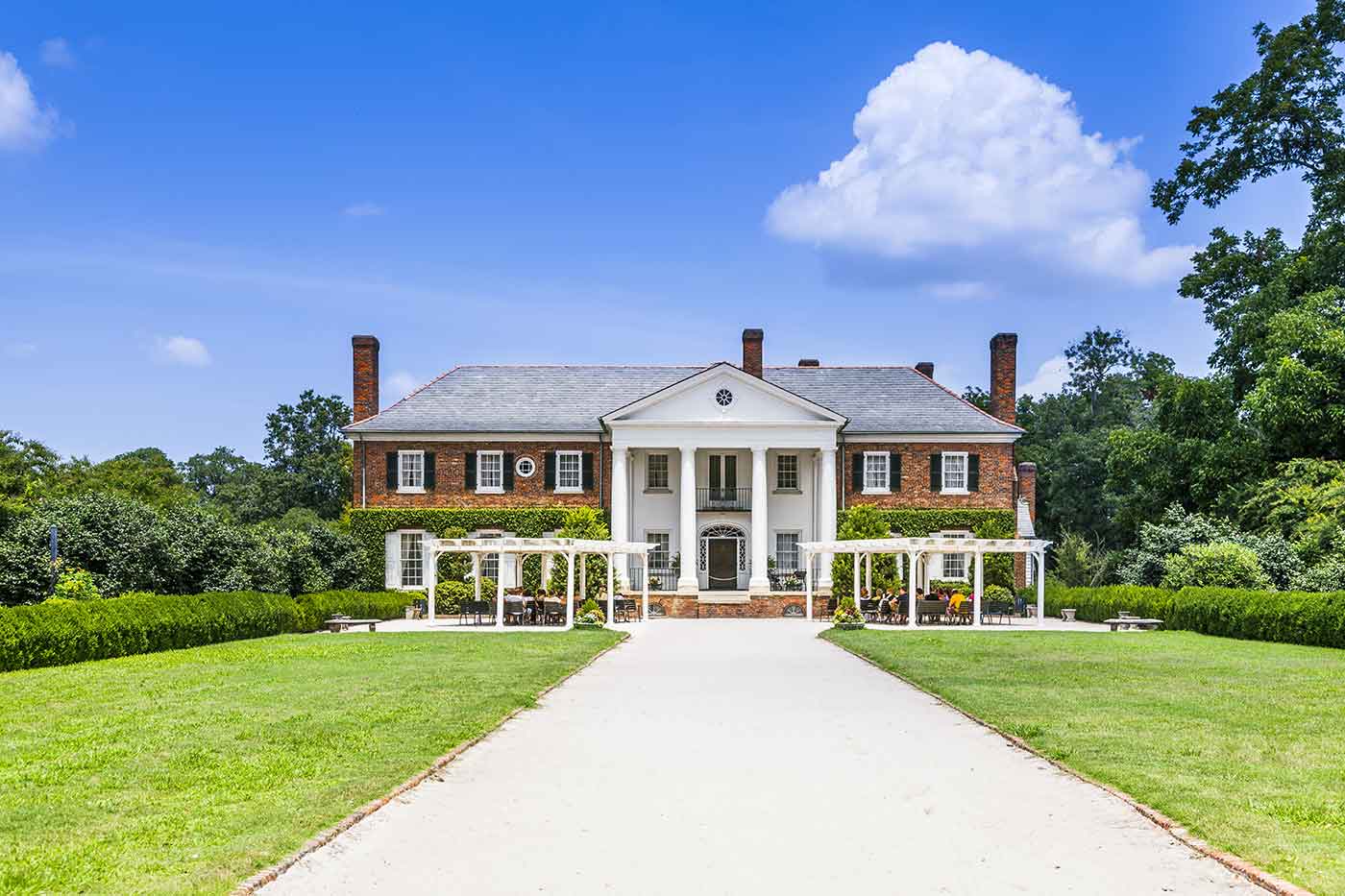
The three essentials. Fort Sumter (half day, the must-do historical experience). One major plantation (Magnolia, Middleton, or Boone Hall — pick based on what appeals; Magnolia for naturalistic gardens, Middleton for formal design, Boone Hall for the Avenue of Oaks). A long, slow walk of the historic district — preferably starting with a trolley tour to orient yourself, then returning on foot.
The three things first-timers miss. Walking the Battery at sunset (best free experience in the city). Going inside one of the major churches — St. Philip's, St. Michael's, or the French Huguenot Church — to understand the city's religious history. Eating outside the obvious tourist restaurants; Charleston's food scene is exceptional, and the best meals are not at the King Street places with the longest lines.
A perfect three-day itinerary. Day one: morning trolley tour, then walk the historic district. Late afternoon at the Battery. Dinner downtown. Day two: morning at Fort Sumter, afternoon at the City Market and the Charleston Museum. Dinner somewhere quieter. Day three: full day at a plantation (Magnolia or Boone Hall), with Lowcountry lunch en route. Return for one last walk through the streets you haven't seen yet, then dinner downtown.